
- Drywall patching with backing, tape, and three-coat joint compound
- Texture matching tested on scrap before wall application
- Stain-blocking primer on water stains, smoke damage, and knots
- Two coats on walls, three on ceilings if going from dark to light
- Trim painting with semi-gloss and careful brushwork
- Exterior surface prep including scraping, sanding, priming, and caulking
- High-quality acrylic latex paint for exterior that resists UV and temperature swings


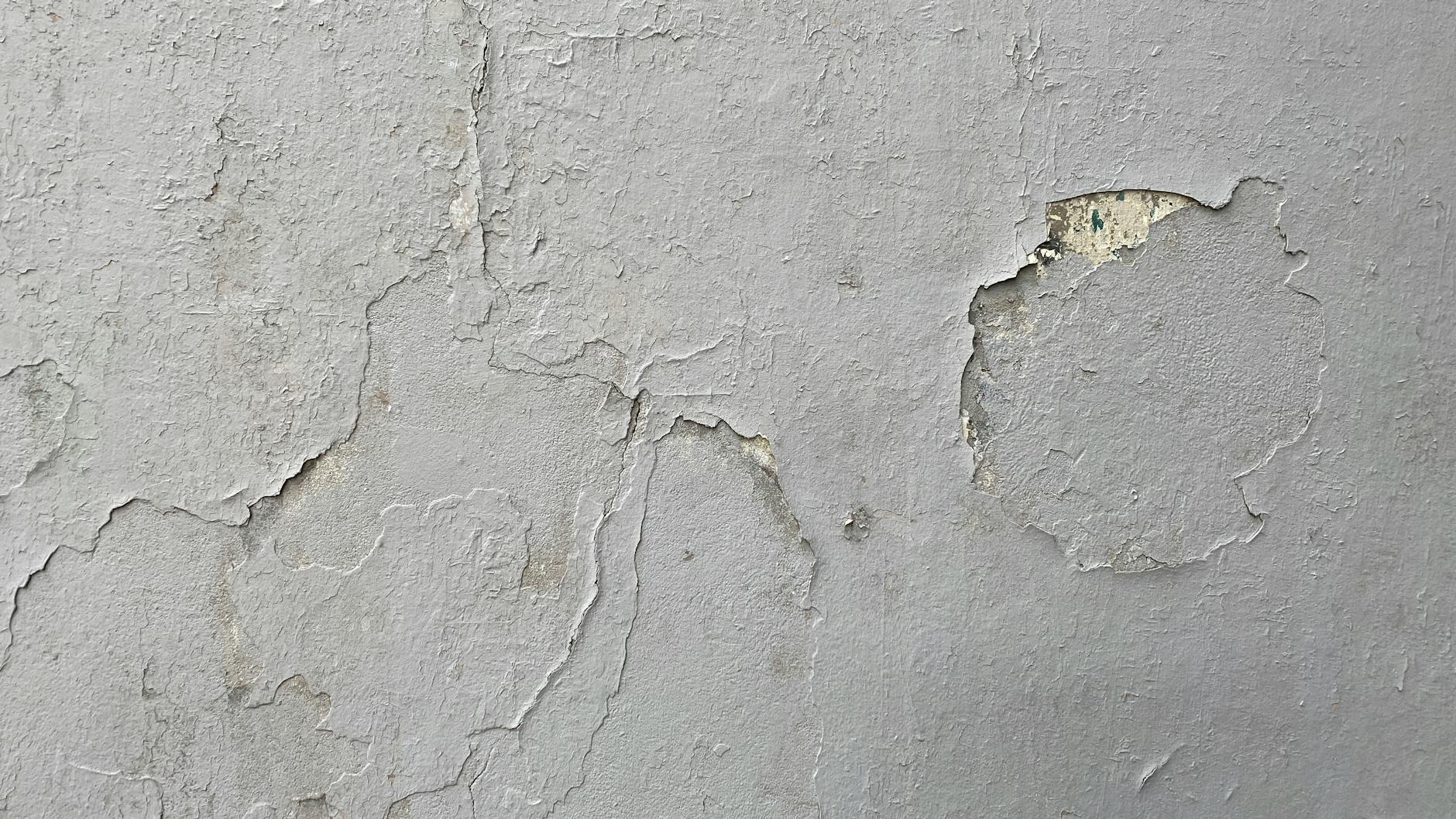
Drywall repair starts with assessing the damage. Small holes from nails or screws get spackle and sanding. Larger holes—from doorknobs, moving furniture, or wall-mounted fixtures—require a patch. We cut a clean square or rectangle around the damage, install backing, screw in a new piece of drywall, tape the seams, and apply joint compound in three coats (taping coat, fill coat, finish coat). Each coat needs to dry before the next; rushing creates visible seams and ridges.
Texture matching is harder than it looks. Knockdown, orange peel, and skip trowel all require different techniques and tools. We test on scrap before applying to the wall. If the existing texture is heavy or unusual, we sometimes retexture the entire wall so it blends. A bad texture match is more visible than a small patch, so we'd rather do the whole wall than leave a noticeable repair.
“Without proper stain-blocking primer, water stains and smoke damage bleed through topcoats within weeks.”
Painting prep is most of the work—filling nail holes, sanding rough spots, caulking gaps at trim and baseboards, priming stains and patches. We use stain-blocking primer on water stains, smoke damage, and knots in wood trim. Without proper primer, stains bleed through topcoats within weeks. We've been called back to repaint rooms where the previous contractor skipped primer; it's not a step you skip if you want the paint to last.
Interior painting is straightforward—two coats on walls, sometimes three on ceilings if you're going from dark to light. We cut in edges by hand and roll the field. We don't leave roller marks or missed spots. Trim gets separate paint (usually semi-gloss) and requires careful brushwork. We mask where necessary and remove tape before the paint fully dries so it doesn't peel.
Exterior painting in Nevada County means dealing with UV exposure, temperature swings, and snow. We use high-quality acrylic latex paints that flex with wood movement and resist fading. Surface prep includes scraping loose paint, sanding, priming bare wood, and caulking gaps. We don't paint if temps are below 50°F or if rain is forecast within 24 hours—paint needs time to cure. Exterior jobs happen late spring through early fall; winter painting fails.
One room takes 1-2 days including prep. Whole-house interiors take 1-2 weeks. Exteriors depend on size and condition—plan on 1-2 weeks for a typical house.
Related services we handle on the same job.
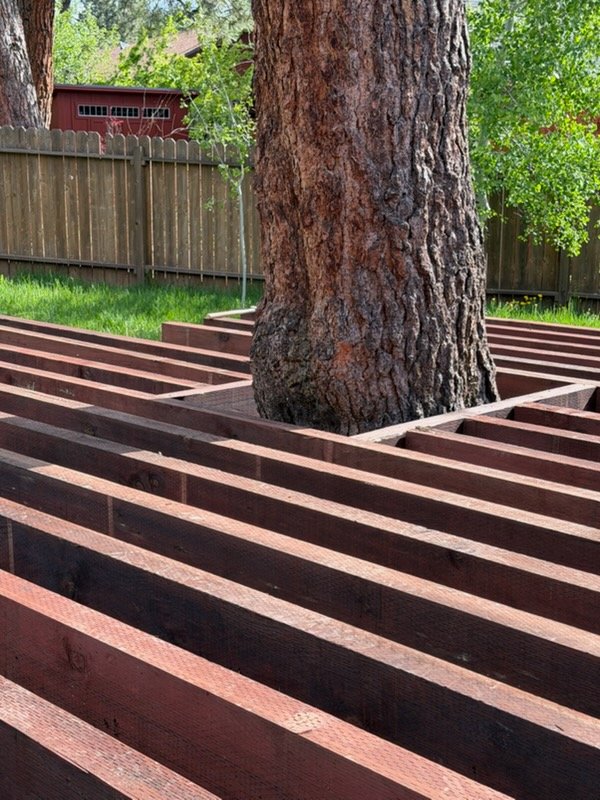
Deck Builds · Deck Restoration
Full deck design, Structural deck repairs, Board replacement, Sanding, and penetrating stain that holds up through Nevada County winters.

Snow Removal · Winter Services
Driveway and roof clearing, ice dam removal, heat tape installation, and snow damage repair through the season.
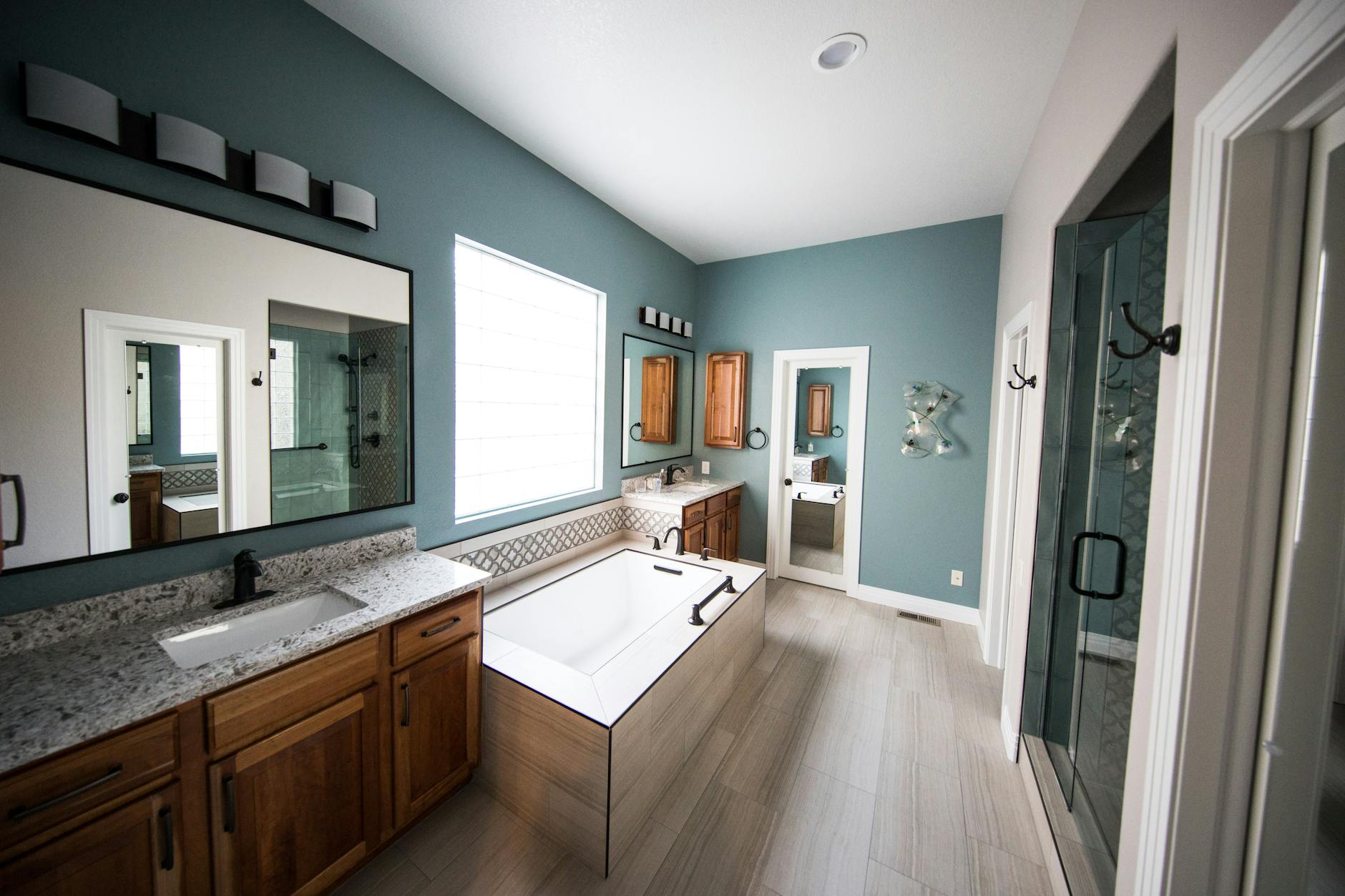
Bathroom Remodel
Full bathroom renovations with demo, plumbing rough-in, tile work, and fixture installation—permits handled.