
- Removal of old flooring and underlayment
- Subfloor inspection and repair for squeaks, soft spots, and moisture issues
- Hardwood acclimation for 48 hours before installation
- Expansion gaps at walls and transitions to allow for wood movement
- Laminate and vinyl plank installation with staggered seams and transition strips
- Tile installation with cement board substrate and consistent grout lines
- Hardwood refinishing with sanding, staining, and 3-4 coats of polyurethane


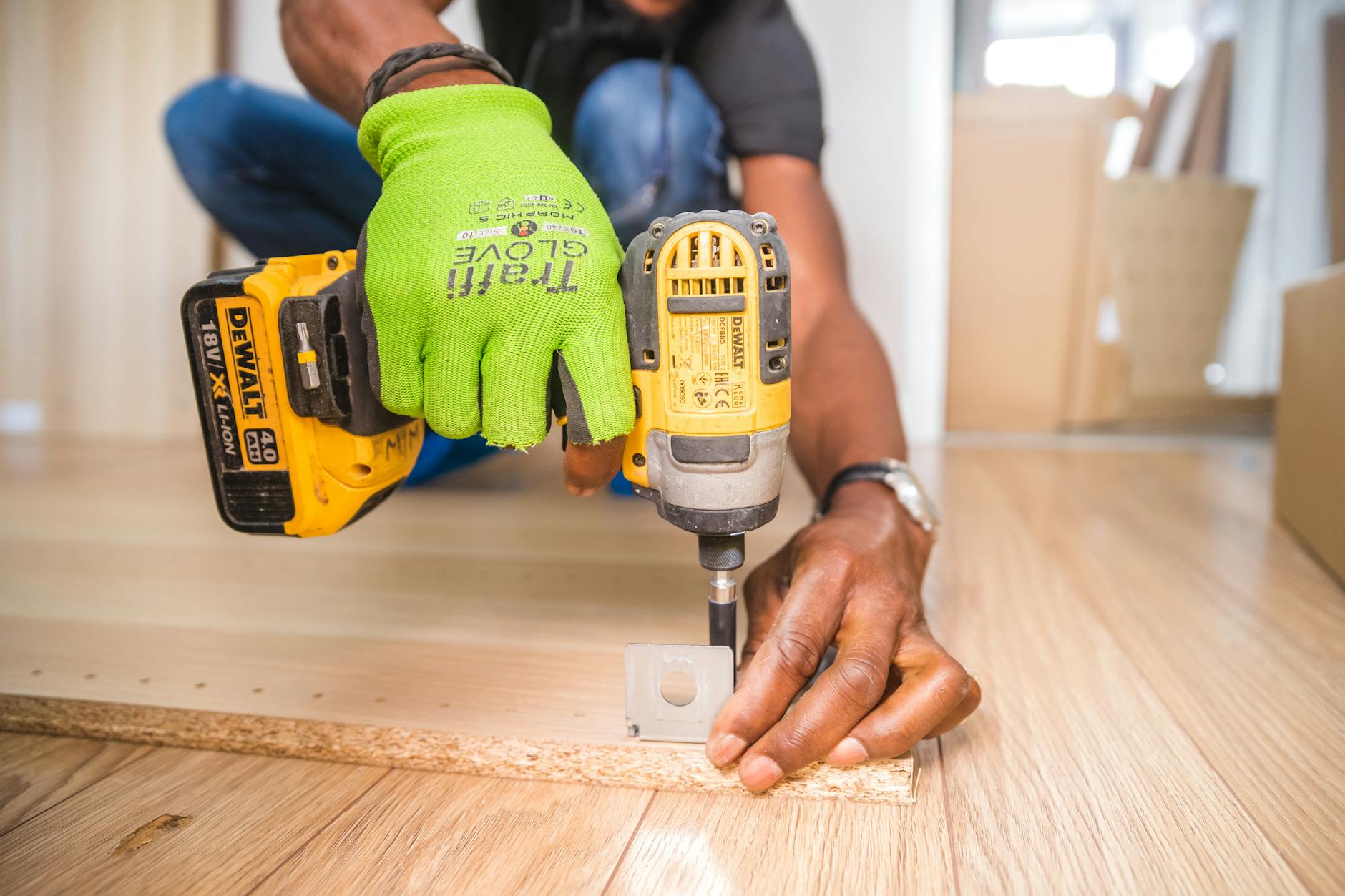


Flooring installation starts with removing the old floor—carpet, vinyl, tile, or worn hardwood. We pull up tack strips, scrape adhesive, and remove any damaged underlayment. The subfloor needs to be clean, dry, level, and structurally sound. We check for squeaks, soft spots, and moisture issues before installing anything new. A bad subfloor telegraphs through the finish floor—you'll feel every dip and hear every squeak.
Hardwood installation—solid or engineered—requires acclimating the wood to the room for at least 48 hours. We nail or staple solid hardwood perpendicular to joists, starting along the longest wall and working across. Engineered hardwood can be floated, glued, or nailed depending on the product. We leave expansion gaps at walls and transitions—wood moves with humidity changes, and without gaps it buckles. The gaps get covered with baseboards and transition strips.
“Wood moves with humidity changes—without expansion gaps at walls and transitions, it buckles.”
Laminate and vinyl plank are floating floors installed over underlayment. We stagger seams, cut around doorways and obstacles, and install transition strips at thresholds. These products are DIY-friendly, but proper layout and clean cuts make the difference between a floor that looks professional and one that looks like a rental. We measure twice, cut once, and fit pieces so seams aren't noticeable.
Tile flooring—ceramic or porcelain—requires cement board or mortar bed substrate. We lay out the tile pattern before setting anything in thinset, avoiding narrow cuts at edges. Tiles are set with spacers for consistent grout lines, then grouted and sealed after the thinset cures. Tile is cold underfoot in winter; some clients install radiant heat mats under tile in bathrooms. We can handle that installation if you want it.
Hardwood refinishing involves sanding the existing floor with progressively finer grits (36, 60, 80, 100), vacuuming between passes, staining if desired, and applying 3-4 coats of polyurethane. Each coat needs to dry and be lightly sanded before the next. The room is unusable for 3-5 days while finish cures. Refinishing makes sense if the wood is at least 3/4 inch thick and hasn't been refinished too many times already—you can only sand down so far before you hit the tongue-and-groove.
Flooring is one of the higher-wear surfaces in a house. We install it to last, not just to look good on day one.
Related services we handle on the same job.
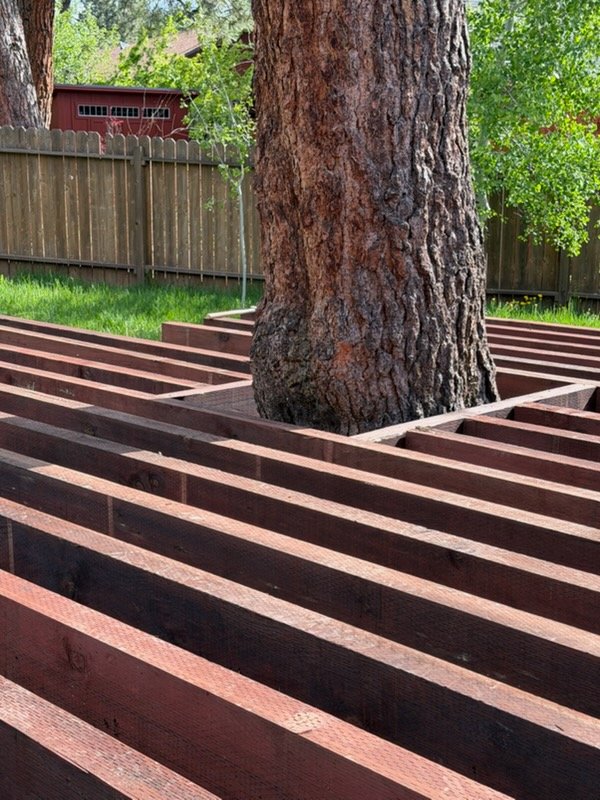
Deck Builds · Deck Restoration
Full deck design, Structural deck repairs, Board replacement, Sanding, and penetrating stain that holds up through Nevada County winters.

Snow Removal · Winter Services
Driveway and roof clearing, ice dam removal, heat tape installation, and snow damage repair through the season.
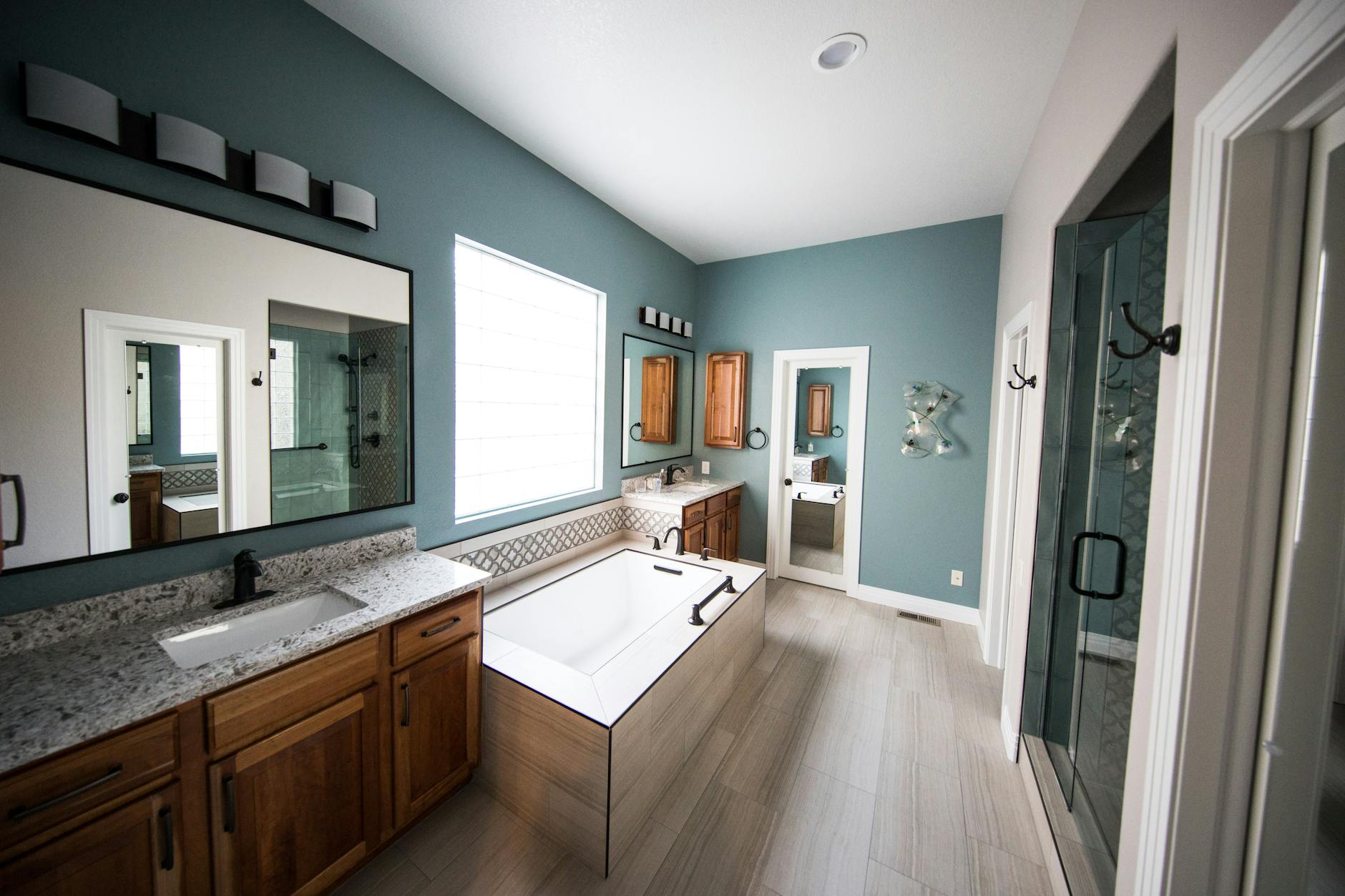
Bathroom Remodel
Full bathroom renovations with demo, plumbing rough-in, tile work, and fixture installation—permits handled.